


Second Avenue Subway Phase 2 Expansion - kontakt entreprenør
Beskrivelse: COWI leads design for the $1.972B Second Avenue Subway Phase 2, extending tunnels and stations to improve transit access in East Harlem, NYC. Les mer ↧
Kategorisering
| Type prosjekt | Nybygg |
| Hovedkategori | Infrastruktur |
| Underkategori | Tunneller |
Fase: Bygging
| Byggestart | EARLY 2026 |
| Ferdigstilles | 2030 |
Adresse

69 E 125th St
10035 New York, NY
Verdi og størrelse
| Kontraktsform | Ukjent |
| Prosjektverdi | 1972 mUSD |
| Pris per kvm | Ukjent |
| Areal | Ukjent |
Hva skal bygges?
| Lengde tunnell | 2414 meter |

Miljøsertifiseringer
Ingen registrerte

Brannkonsept
Ingen registrerte
Aktører
 Byggherre
|
Metropolitan Transportation Authority (MTA) |
 Arkitekt
|
|
RI
|
Cowi 
|
|
Entreprenør
|
2 selskaper |
|
Totalentreprenør
|
Connect Plus Partners |
|
Entreprenør
|
2 selskaper |
Klikk på aktørene for å se kontakter
Juster hvilke aktører du ser her.

Dokumentsøk
ekspansjon
subway
ada-accessible
Kontakt oss på olav@pekeberg.com for å løfte dine nøkkelord til toppen
Selskaper og personer

Det er 5 selskaper koblet til dette prosjektet.
Lag en bruker eller logg inn for se navn, telefonnummer og e-post adresse til selskapene og kontaktpersonene (f.eks. prosjektleder hos entreprenørene).







Bilder
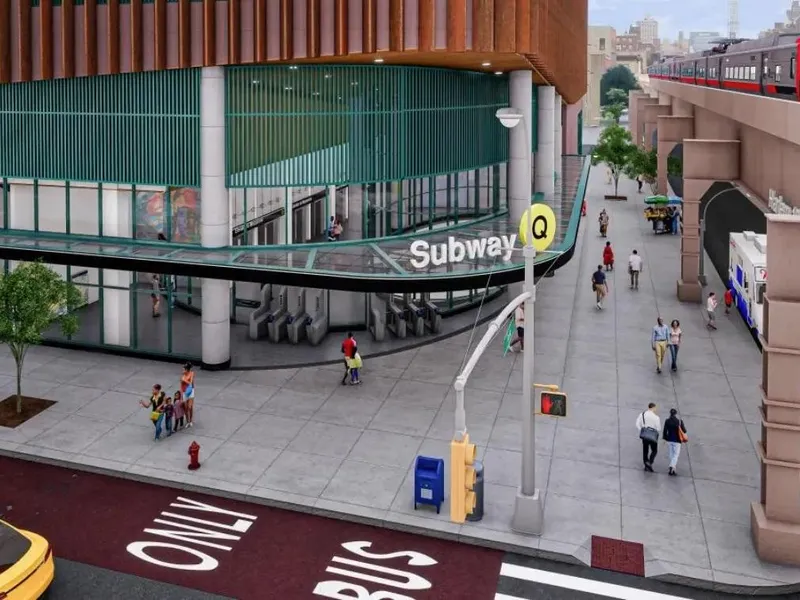


Kart
Klikk for å se tegnforklaringer
Oppdateringer
26. Sep 2025
- Byggestart lagt til: EARLY 2026
- Prosjektverdi lagt til: 1972 mill USD
- Thomas Dahlgren lagt til som Eksekutiv visepresident, COWI Nord-Amerika for Cowi
- Lorna Wharton lagt til som Spesialist, Presse og Offentlig, UK for Cowi
- Cowi lagt til som Rådgivende ingeniør
- FCC Construction lagt til som Entreprenør
- Connect Plus Partners lagt til som Totalentreprenør
- Halmar International lagt til som Entreprenør
- Metropolitan Transportation Authority (MTA) lagt til som Byggherre
Byggekamera
Har dette prosjektet et byggekamera?
Send oss en link på olav@pekeberg.com,
så legger vi det til her.