


380-kV Kabeldiagonal Berlin Project - følg prosjektstatusen
Beskrivelse: Implenia bygger en 6,7 km lang underjordisk 380-kV kabeldiagonal i Berlin, som styrker strømforsyningen. Prosjektet fullføres innen november 2028. Les mer ↧
Kategorisering
| Type prosjekt | Nybygg |
| Hovedkategori | Infrastruktur |
| Underkategori | Elektrisk infrastruktur |
Fase: Bygging
| Byggestart | SEPTEMBER 2022 |
| Ferdigstilles | NOVEMBER 2028 |
Adresse

Bissingzeile 8
10785 Berlin
Verdi og størrelse
| Kontraktsform | Ukjent |
| Prosjektverdi | 127 mill |
| Pris per kvm | Ukjent |
| Areal | Ukjent |

Miljøsertifiseringer
Ingen registrerte

Brannkonsept
Ingen registrerte
Aktører
 Byggherre
|
2 selskaper |
 Arkitekt
|
|
RI
|
5 selskaper |
|
Entreprenør
|
Implenia 
|
|
Entreprenør
|
Implenia
|
Klikk på aktørene for å se kontakter
Juster hvilke aktører du ser her.

Dokumentsøk
vei
stein
energi
kabel
transformator
tunnel
motorvei
transformatorstasjon
pukkstein
underjord
underjordisk
tunneldrift
tunneldriving
byggestein
+5
tunnelboring
kabeltunnel
tunnelboremaskin
rettungsschacht
kabeldiagonal
Kontakt oss på olav@pekeberg.com for å løfte dine nøkkelord til toppen
Selskaper og personer

Det er 9 selskaper koblet til dette prosjektet.
Lag en bruker eller logg inn for se navn, telefonnummer og e-post adresse til selskapene og kontaktpersonene (f.eks. prosjektleder hos entreprenørene).







Bilder
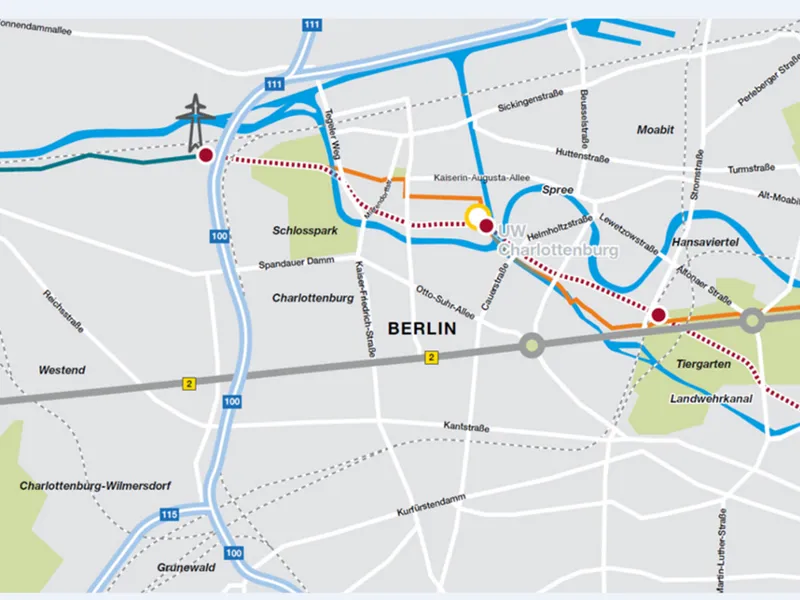
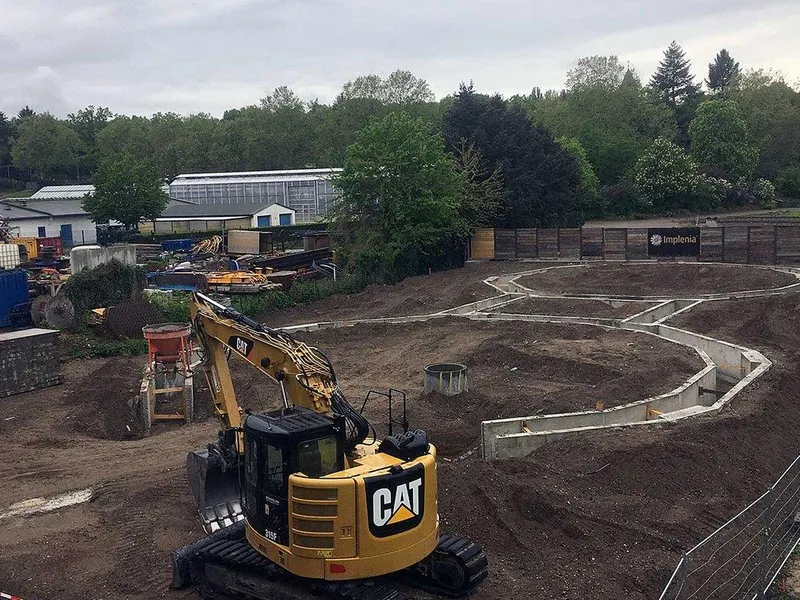
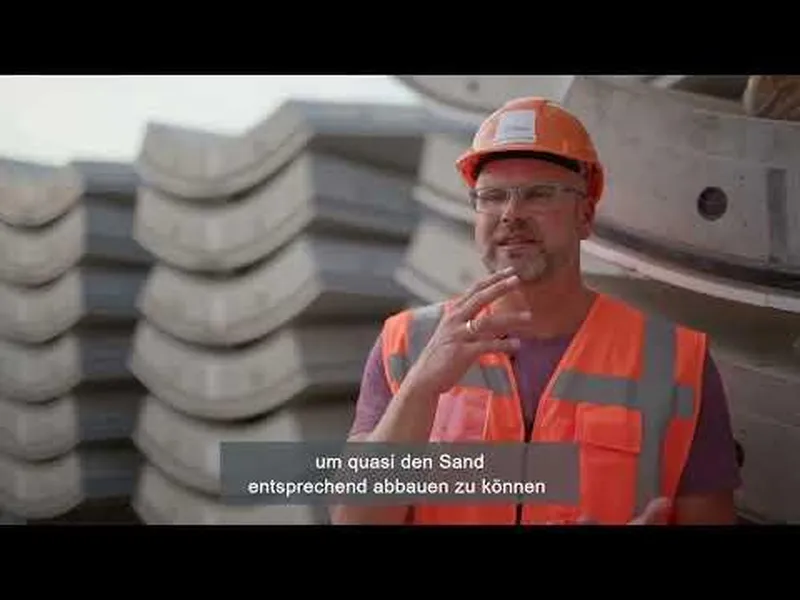


Kart
Klikk for å se tegnforklaringer
Kilder
27. Jun 2025: Implenia
En milepæl for Berlins energiframtid. Berlins underjordiske strømmotorvei tar form: På bare to år og ni måneder har tunnelboremaskinen "Candela" nådd ...
https://implenia.com/no-no/media/artikel/meilenstein-fuer-die-energiezukunft-berlins/
21. Mar 2025: Implenia
380-kV-Kabeldiagonale, 50hertz. Kabeldiagonale Berlin - Bau eines 6,7 km langen Kabeltunnels mit 4 Schächten als Zuführungs- / Rettungsschächte. Wir b...
https://implenia.com/de-de/referenzen/detail/ref/kabeldiagonale-380-kv-50hertz/
Oppdateringer
27. Jun 2025
- Byggestart endret fra AUGUST 2019 til SEPTEMBER 2022
- Henning Schrewe lagt til som Administrerende direktør Implenia Civil Engineering GmbH / H for Implenia AS
- Stefan Kapferer lagt til som Adm. direktør for 50Hertz Transmission
- Bernard Gustin lagt til som Adm. direktør for Elia Group
- Kai Wegner lagt til som Ordfører i Berlin for Berlin Municipality
- Elia Group lagt til som Byggherre
- Berlin Municipality lagt til som Regulatorisk myndighet
21. Mar 2025
- Byggestart lagt til: AUGUST 2019
- Prosjektverdi lagt til: 127 mill CHF
- Markus Schönwälder lagt til som Prosjektadm. for 50Hertz Transmission
- Implenia lagt til som Entreprenør
- SWECO lagt til som Rådgivende ingeniør
- 50Hertz Transmission lagt til som Byggherre
- IMM lagt til som Rådgivende ingeniør
- Technical Design Office Köln lagt til som Rådgivende ingeniør
- Technical Design Office Raunheim lagt til som Rådgivende ingeniør
- Technical Competence Center Mannheim lagt til som Rådgivende ingeniør
Byggekamera
Har dette prosjektet et byggekamera?
Send oss en link på olav@pekeberg.com,
så legger vi det til her.