


Kunstmuseum Underground Parking Garage - kontakt entreprenør
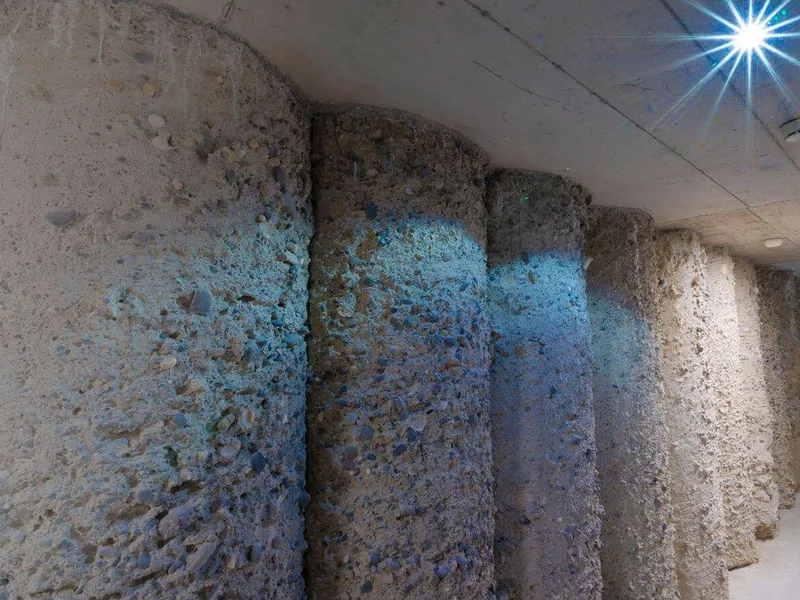
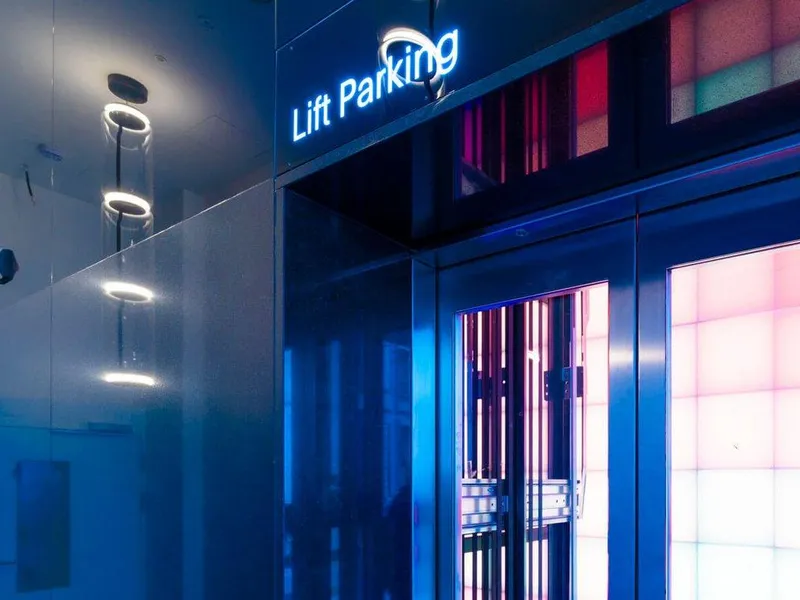
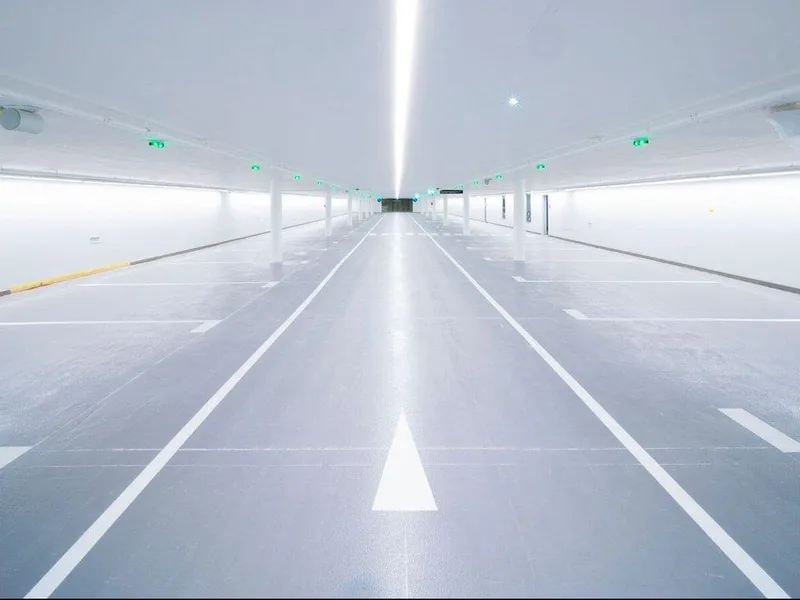
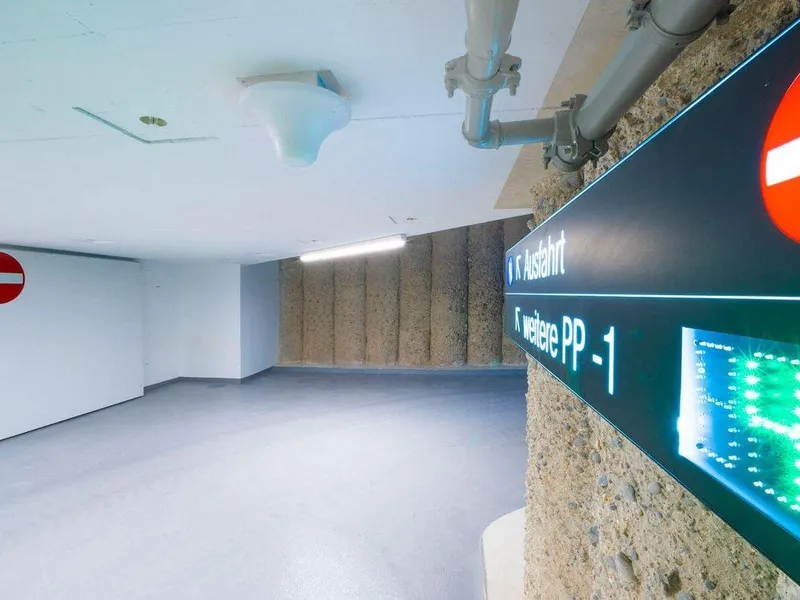
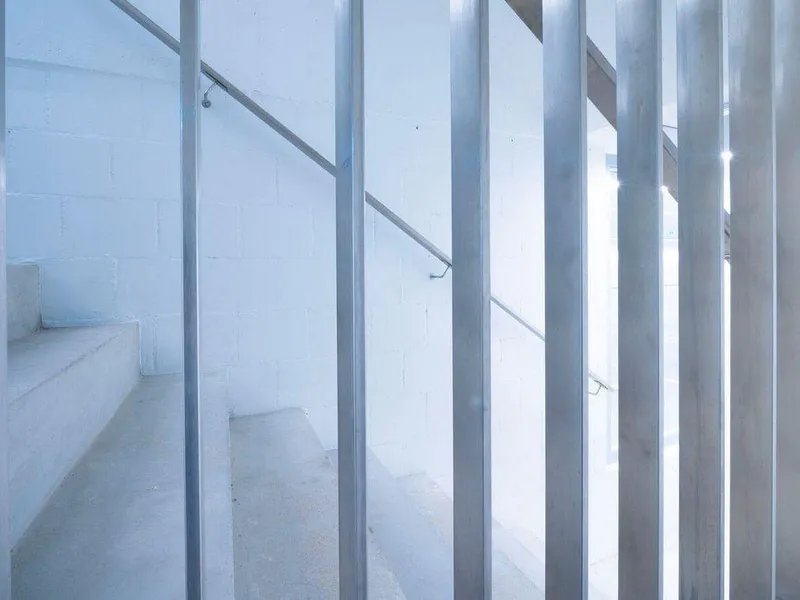
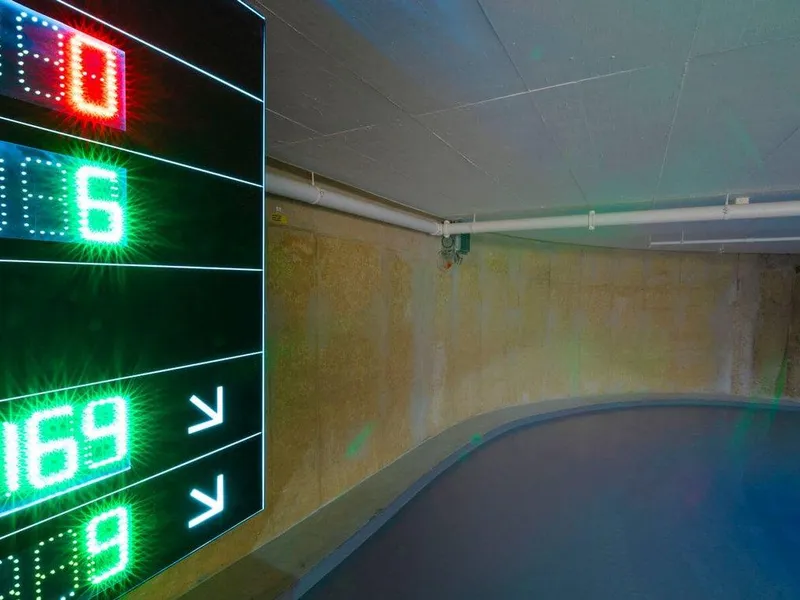
Beskrivelse: The Kunstmuseum Underground Parking Garage in Basel, completed with minimal traffic disruption through innovative cover construction, features 4 basement levels accommodating 350 vehicles. Les mer ↧
Kategorisering
| Type prosjekt | Nybygg |
| Hovedkategori | Næringsbygg |
| Underkategori | Parkeringsanlegg |
Fase: Ferdig bygd
| Byggestart | OCTOBER 2018 |
| Ferdigstilles | OCTOBER 2021 |
Adresse

Luftgässlein 4
Verdi og størrelse
| Kontraktsform | Ukjent |
| Prosjektverdi | 45 mill |
| Pris per kvm | Ukjent |
| Areal | Ukjent |
Hva skal bygges?
| Etasjer | 4 stk |
| Antall parkeringsplasser | 350 stk |

Miljøsertifiseringer
Ingen registrerte

Brannkonsept
Ingen registrerte
Aktører
 Byggherre
|
Credit Suisse Funds AG |
|
Arkitekt
|
Stefan Meyer Architekten |
|
RI
|
2 selskaper |
|
Entreprenør
|
Implenia 
|
|
Entreprenør
|
Implenia
|
Klikk på aktørene for å se kontakter
Juster hvilke aktører du ser her.

Dokumentsøk
tre
parkering
sement
museum
undergrunn
villa
omramming
grube
kunstmuseum
kunstmur
Kontakt oss på olav@pekeberg.com for å løfte dine nøkkelord til toppen
Selskaper og personer

Det er 8 selskaper koblet til dette prosjektet.
Lag en bruker eller logg inn for se navn, telefonnummer og e-post adresse til selskapene og kontaktpersonene (f.eks. prosjektleder hos entreprenørene).







Bilder


Kart
Klikk for å se tegnforklaringer
Oppdateringer
21. Mar 2025
- Byggestart lagt til: OCTOBER 2018
- Prosjektverdi lagt til: 45 mill CHF
- Stefan Meyer lagt til som Arkitekt for Stefan Meyer Architekten
- Implenia lagt til som Entreprenør
- Swisscom lagt til som Leverandør av byggevarer
- Credit Suisse Funds AG lagt til som Byggherre
- Basler & Hofmann AG lagt til som Rådgivende ingeniør
- Rapp Infra AG lagt til som Rådgivende ingeniør
- Stefan Meyer Architekten lagt til som Arkitekt
- IWB lagt til som Leverandør av byggevarer
- Colt lagt til som Leverandør av byggevarer
Byggekamera
Har dette prosjektet et byggekamera?
Send oss en link på olav@pekeberg.com,
så legger vi det til her.