


Femern Bælt Fehmarnbelt Tunnel Project Denmark-Germany
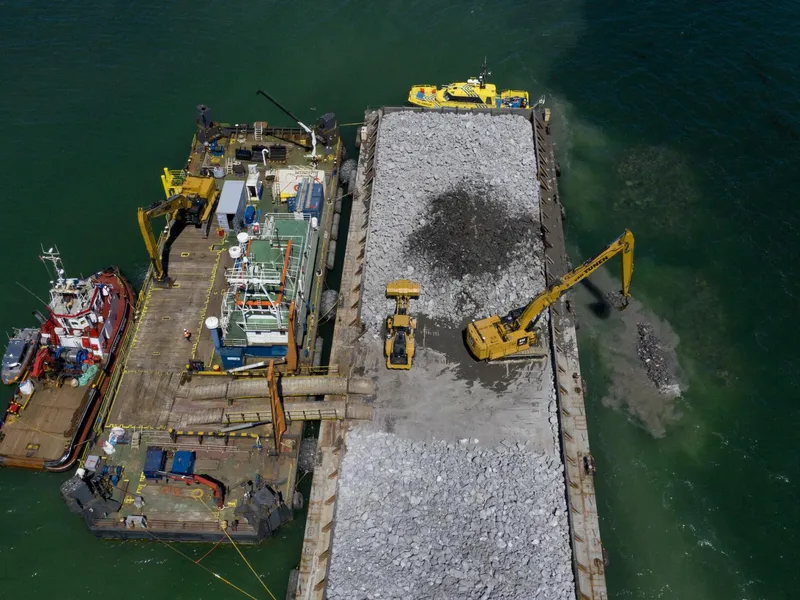
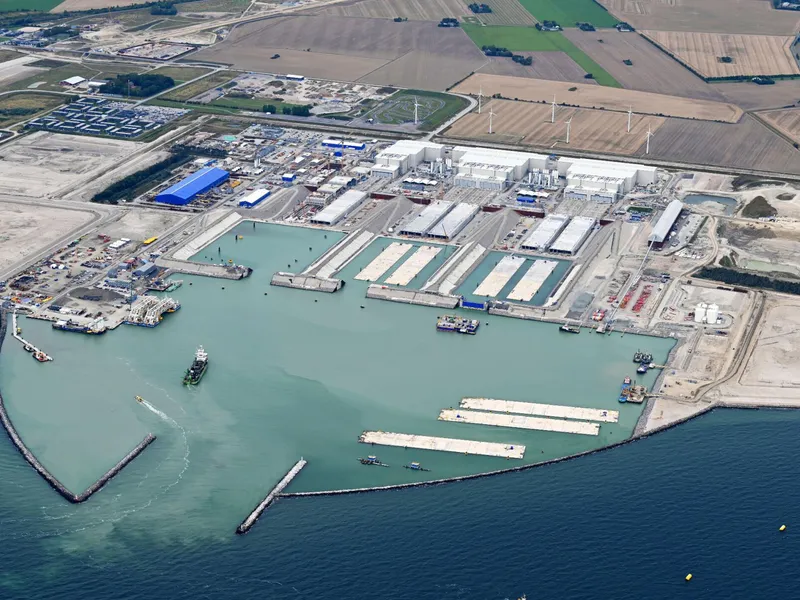
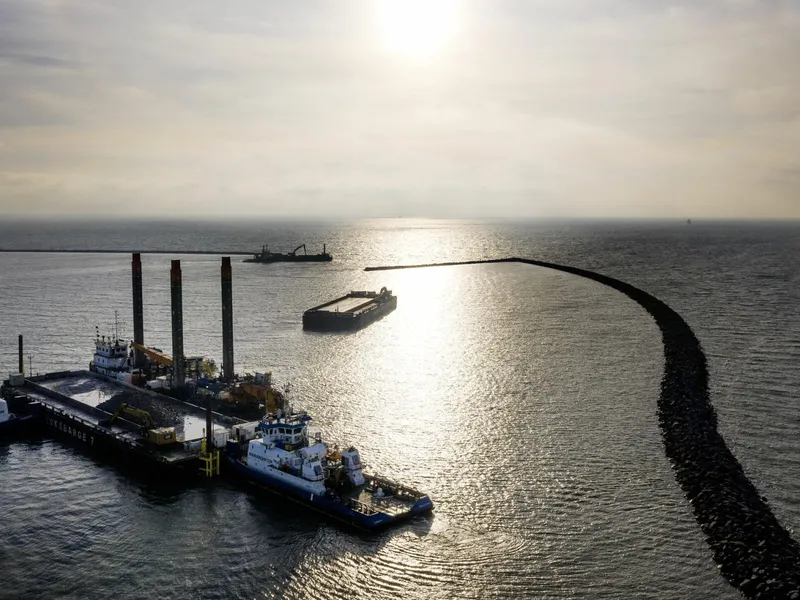
Beskrivelse: Femern Bælt Fehmarnbelt Tunnel Project: 18 km immersed tunnel linking Denmark and Germany, delayed to 2031, with production of 89 concrete elements ongoing until 2029. Les mer ↧
Kategorisering
| Type prosjekt | Nybygg |
| Hovedkategori | Infrastruktur |
| Underkategori | Tunneller |
Fase: Bygging
| Byggestart | 2021 |
| Ferdigstilles | 2031 |
Adresse

Havnegade 2
4970 Rødby
Verdi og størrelse
| Kontraktsform | Ukjent |
| Prosjektverdi | 86000 mNOK |
| Pris per kvm | Ukjent |
| Areal | Ukjent |
Hva skal bygges?
| Lengde tunnell | 18000 meter |
| Antall kjørebaner | 4 stk |

Miljøsertifiseringer
Ingen registrerte

Brannkonsept
Ingen registrerte
Aktører
 Byggherre
|
3 selskaper |
 Arkitekt
|
|
RI
|
6 selskaper |
|
Entreprenør
|
6 selskaper |
|
Totalentreprenør
|
Femern Link Contractors (FLC) |
|
Hovedentreprenør
|
Femern Link Contractors |
|
Entreprenør
|
6 selskaper |
Klikk på aktørene for å se kontakter
Juster hvilke aktører du ser her.

Dokumentsøk
åpning
anleggsområde
fabrikk
tunnel
risken
drone
gigant
senketunnel
gigantfabrikk
femernstunnel
Kontakt oss på olav@pekeberg.com for å løfte dine nøkkelord til toppen
Selskaper og personer

Det er 19 selskaper koblet til dette prosjektet.
Lag en bruker eller logg inn for se navn, telefonnummer og e-post adresse til selskapene og kontaktpersonene (f.eks. prosjektleder hos entreprenørene).







Bilder



Kart
Klikk for å se tegnforklaringer
Oppdateringer
21. Okt 2025
- Byggestart endret fra 2016 til 2021
- Prosjektverdi endret fra 45000 mill DKK til 86000 mill NOK
- RAMBØLL lagt til som Rådgivende ingeniør
- Arup lagt til som Rådgivende ingeniør
- Femern lagt til som Byggherre
- Per Aarsleff lagt til som Entreprenør
- VINCI Construction lagt til som Entreprenør
- Sund & Bælt Holding lagt til som Byggherre
- Femern Link Contractors (FLC) lagt til som Totalentreprenør
- BAM lagt til som Entreprenør
- Max Bögl lagt til som Entreprenør
- Design Joint Venture (DJV) lagt til som Rådgivende ingeniør
- TEC lagt til som Rådgivende ingeniør
18. Sep 2025
- Byggestart lagt til: 2016
- Mikkel Hemmingsen lagt til som Administrerende Direktør for Sund & Bælt
- Sund & Bælt lagt til som Byggherre
- IVY lagt til som Entreprenør
- Tyske myndigheter lagt til som Regulatorisk myndighet
18. Mai 2016
- Prosjektverdi lagt til: 45000 mill DKK
- Jens Villemoes lagt til som Pressesjef for Femern AS
- Cowi lagt til som Rådgivende ingeniør
- SWECO lagt til som Rådgivende ingeniør
- Ernst & Young lagt til som Uavhengig kontrollør
- Fehmarn Belt Contractors lagt til som Entreprenør
- Femern Link Contractors lagt til som Hovedentreprenør
Byggekamera
Har dette prosjektet et byggekamera?
Send oss en link på olav@pekeberg.com,
så legger vi det til her.