


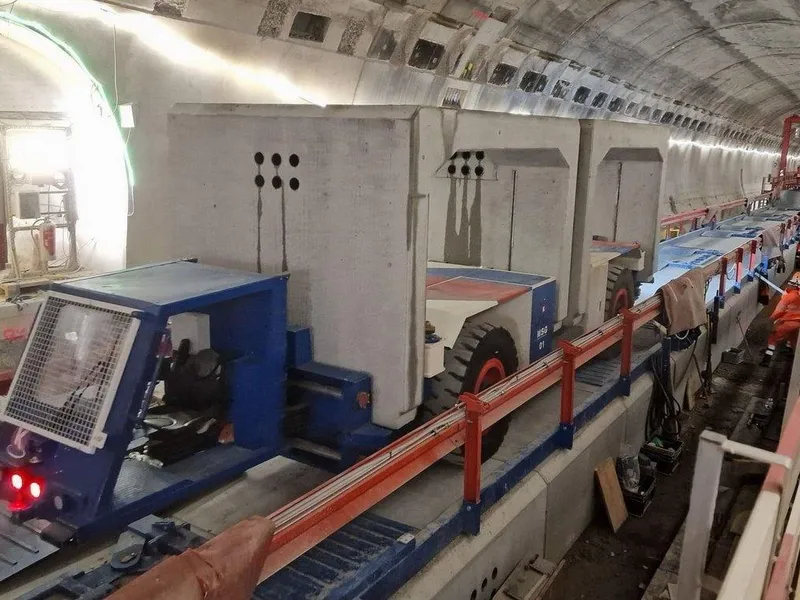
Gubrist Tunnel Rehab Lot 3 - Carriageway & Service Duct Repair
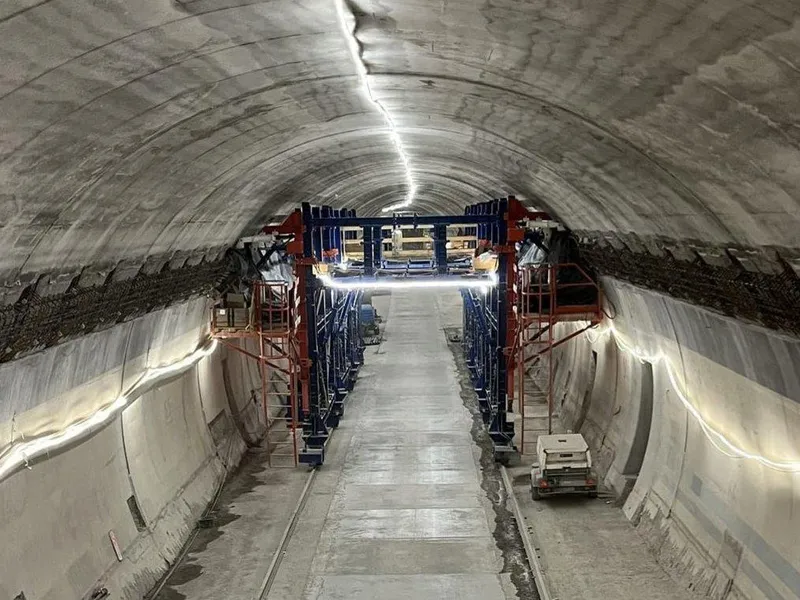
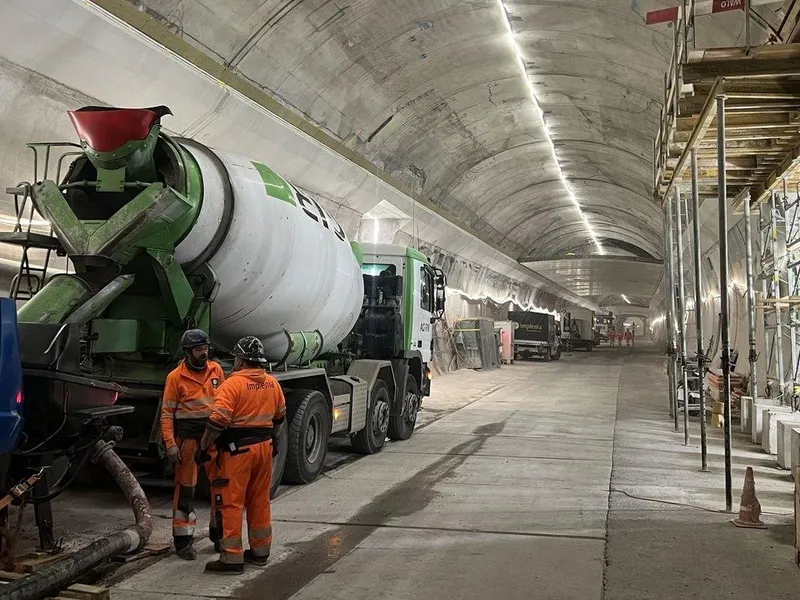
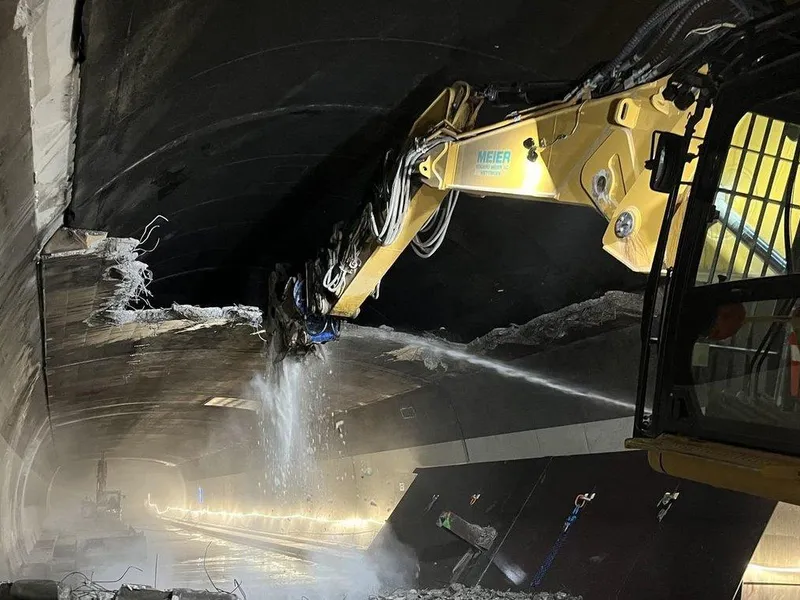
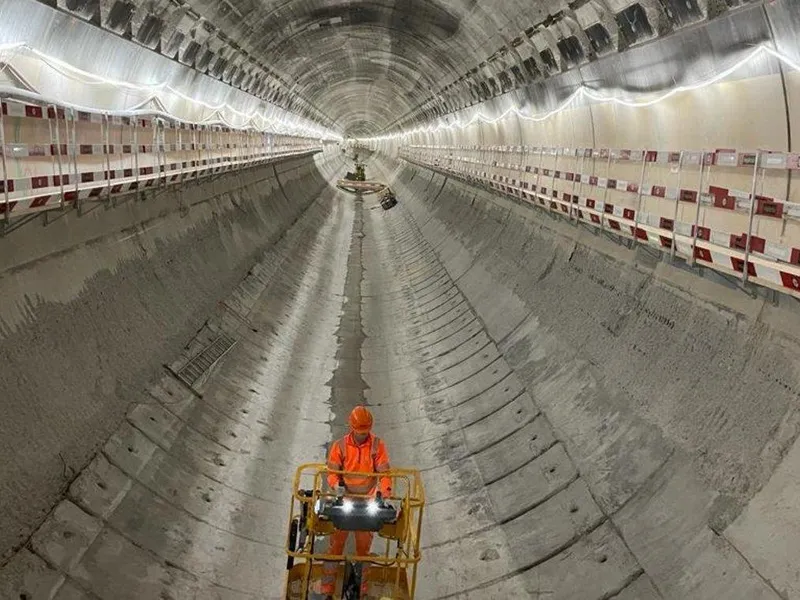
Beskrivelse: Comprehensive repair of the 1st and 2nd Gubrist Tunnel tubes including carriageway renewal, new service duct, and structural upgrades under challenging logistics. Les mer ↧
Kategorisering
| Type prosjekt | Rehabilitering |
| Hovedkategori | Infrastruktur |
| Underkategori | Tunneller |
Fase: Bygging
| Byggestart | JULY 2023 |
| Ferdigstilles | MARCH 2027 |
Adresse

Verdi og størrelse
| Kontraktsform | Ukjent |
| Prosjektverdi | 178 mill |
| Pris per kvm | Ukjent |
| Areal | Ukjent |
Hva skal bygges?
| Lengde tunnell | 3270 meter |
| Antall kjørebaner | 2 stk |

Miljøsertifiseringer
Ingen registrerte

Brannkonsept
Ingen registrerte
Aktører
 Byggherre
|
Federal Roads Office (FEDRO) |
 Arkitekt
|
|
RI
|
|
Entreprenør
|
4 selskaper |
|
Entreprenør
|
4 selskaper |
Klikk på aktørene for å se kontakter
Juster hvilke aktører du ser her.

Dokumentsøk
tunnel
ekspansjon
bypass
north
Kontakt oss på olav@pekeberg.com for å løfte dine nøkkelord til toppen
Selskaper og personer

Det er 9 selskaper koblet til dette prosjektet.
Lag en bruker eller logg inn for se navn, telefonnummer og e-post adresse til selskapene og kontaktpersonene (f.eks. prosjektleder hos entreprenørene).







Bilder


Kart
Klikk for å se tegnforklaringer
Oppdateringer
7. Mai 2025
- Byggestart lagt til: JULY 2023
- Prosjektverdi lagt til: 178 mill CHF
- Implenia lagt til som Entreprenør
- Walo Bertschinger lagt til som Entreprenør
- Rothpletz, Lienhard + Cie AG lagt til som Byggeledelse
- Gähler und Partner AG lagt til som Byggeledelse
- Anliker lagt til som Entreprenør
- Federal Roads Office (FEDRO) lagt til som Byggherre
- WELK lagt til som Entreprenør
- IG Gubrist 1+2 lagt til som Byggeledelse
- Pini Group lagt til som Byggeledelse
Byggekamera
Har dette prosjektet et byggekamera?
Send oss en link på olav@pekeberg.com,
så legger vi det til her.